
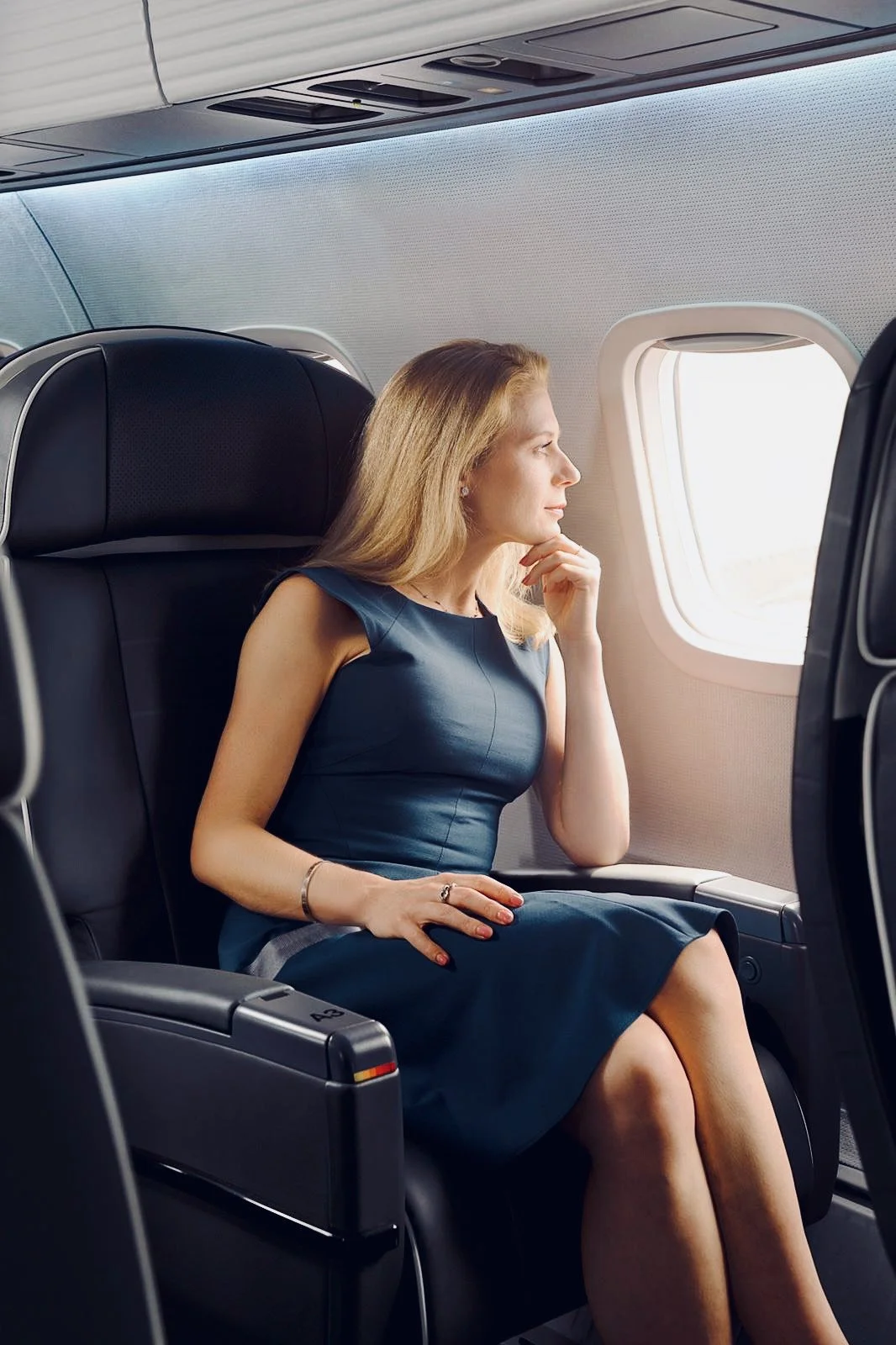
Energy is the real luxury. Protect it accordingly.
There is a version of travel where you arrive home more depleted than when you left. After seeing everything on the list, eating in the right places, keeping up with everyone in the group, somehow you need a week to recover from the holiday. The culprit, more often than not, is sleep.
Sleep is the foundation everything else is built on. Your skin, your energy, your ability to actually enjoy what you came to see. And it's also the thing most travelers treat as negotiable, something to sacrifice at both ends of the day in favor of staying up later and starting earlier.
I've stopped treating it as negotiable. Not because I'm rigid about it, but because I've learned the hard way that a trip where you're running on empty is a trip you're only half present for.
The YOLO Trap
There's a real tension here and it's worth discussing. Travel is for living, and part of living well on the road means saying yes to the long dinner, the extra glass, the night that runs later than planned. That's not the problem.
The problem is treating sleep as the default sacrifice, night after night, until you're running on fumes by day four of a seven-day trip. Chronic under-sleeping on the road dulls the experience itself. You stop noticing things. Meals taste less interesting. Conversations take more effort. The city outside the window becomes something to get through rather than somewhere to be. The whole point of traveling well is to be present for it, and that requires showing up with some energy in reserve.
The harder challenge on trips like the Andalusia run, multiple cities, multiple hotels, rarely two nights in the same bed, is maintaining any consistency at all. The body craves routine and travel systematically dismantles it.
A few things help. Keeping your bedtime ritual as consistent as possible signals to your body that sleep is coming regardless of where you are: same mask, same nightwear, same few minutes of quiet before you close your eyes. The ritual becomes the anchor when the room keeps changing.
Temperature matters more than most people realize. Hotel rooms are frequently overheated, and sleeping slightly cool is significantly better for rest quality than sleeping warm. Worth controlling for if the room allows it.
And when you're moving fast through a trip, resist the temptation to sacrifice the first and last hour of your night to screens. The stimulation stays with you longer than you think, and those hours are often the difference between sleep that restores and sleep that merely passes.
What Travels With Me
Two things that never stay home regardless of how light I'm packing: a silk sleep mask and a silk nightie.
The mask handles the single biggest obstacle to sleeping well in unfamiliar places: light. Hotel curtains vary wildly, city light bleeds through in ways your bedroom at home doesn't, and early sunrise in summer destinations has ended more than one decent sleep. Total darkness is not a preference, it's a physiological requirement for quality rest, and a good sleep mask solves it completely at almost no cost to your bag.
The silk nightie is about something slightly different. Skin breathes differently when you're not constricted by whatever you grabbed to sleep in, and across different climates and varying hotel room temperatures, having something consistent and comfortable that you know works for your body removes one variable from an already unfamiliar environment. It also travels flat, packs to nothing, and is the kind of small luxury that genuinely earns its place.
Sleeping Well Across Changing Hotels
MY HONEST TAKE
I don't have a perfect record on this. There are trips where the late nights win and should. But the baseline I come back to, the mask, the ritual, the commitment to treating sleep as part of the trip rather than what the trip takes from me, means I arrive home from most journeys feeling like I actually traveled rather than just survived it.
That's the version of travel worth protecting.
Movement on the Road: How to Stay Active Without a Gym Membership
The Traveler's Guide to Sleep: How to Rest Well Wherever You Land
EB
Eva Baczynska
June 20, 2025 • 8 min read
READ NEXT
Business travel has its own particular sleep challenges. Late dinners with clients, early flights, the low-grade alertness that comes from being "on" all day in a professional context. The recovery window is smaller and the cost of being tired the next day is higher.
The case for protecting sleep on work trips is actually stronger than on leisure ones. You're there to perform, to be present in meetings, to build relationships. None of that happens well when you're running a deficit. An extra hour of sleep is usually worth more than a final drink at the hotel bar, even when the company is good.