
The Psychology of Beautiful Spaces: Why Aesthetics Matter in Travel
Eva Baczynska
June 20, 2025 • 8 min read
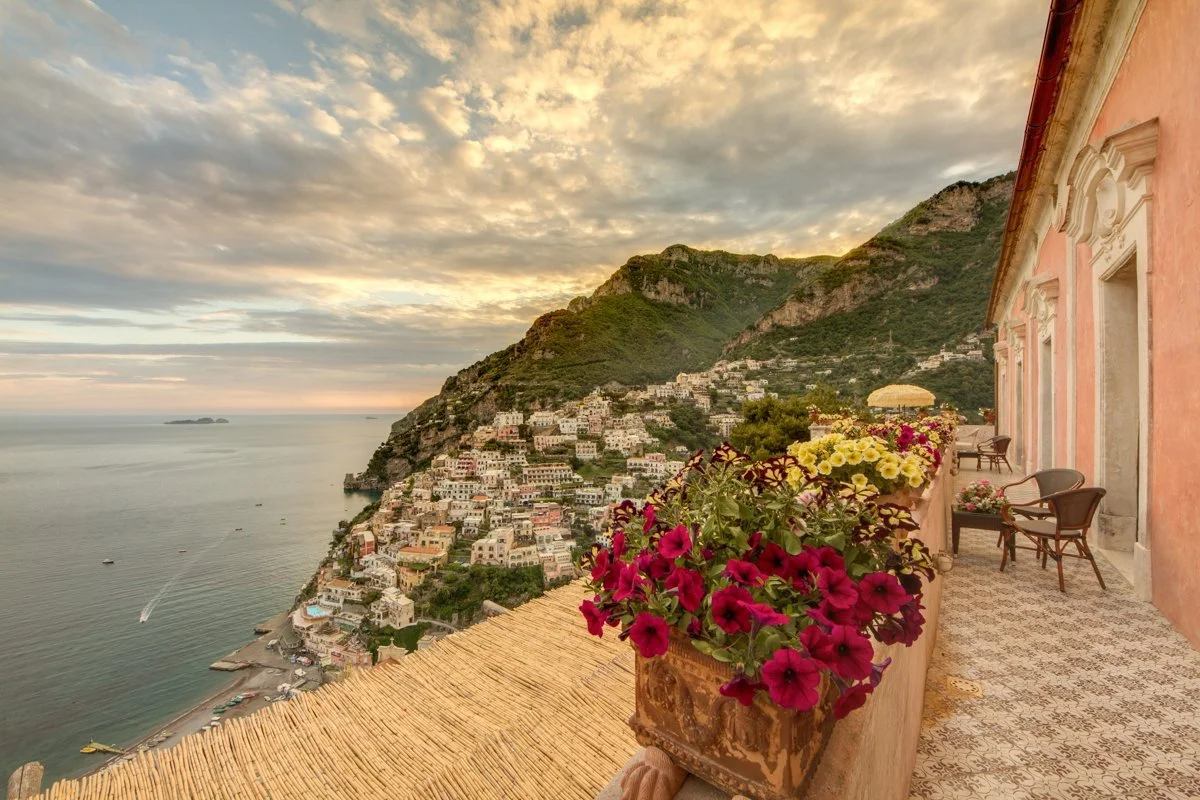
Where you stay shapes how you feel. How you feel shapes everything else.
I want to talk about a room in Rome.
Hotel dei Barbieri sits on a quiet side street near Campo de' Fiori, housed in a 17th-century palace that was carefully restored and reopened in 2017. The building still has its original frescoes. Each of the seventeen rooms was furnished individually by local artisans. And the ceilings. I don't think I've been in a room with ceilings like that in my life. Four metres high, which sounds like a measurement but feels, when you're standing underneath them, like an entirely different relationship with the air around you.
I noticed something during that stay. I moved differently. I sat with my morning coffee longer than usual. I read more. I thought more clearly. I kept stopping to look at things: the fresco above the bed, the light as it shifted across the plaster in the afternoon, the way the room itself seemed to have been made with the assumption that someone would actually live in it rather than just pass through.
Looking back, I've always travelled this way, drawn to spaces with character and specificity, some sense that they belong to a particular place. It took me a while to understand that this wasn't just a preference. Where you stay is not a logistical decision. It's a creative one.
The "I Could Be Anywhere" Problem
Anyone who has scrolled through a booking site long enough knows the feeling. Standardized rooms, predictable palettes, furniture optimized for inoffensiveness. These places are often perfectly comfortable. They rarely give anything back. You sleep in them and leave, and six months later you can't quite picture them.
The issue isn't price. Plenty of expensive hotels have managed to feel like nowhere in particular. It's intention. A room designed to appeal to everyone ends up belonging to no one, and you feel that the moment you walk in. There's no point of view, no sense that someone made choices here because they believed in them.
I understand the practical traveller's argument. The room is for sleeping. What matters is the city, the food, the people, the things you do outside of it. Spend less on the hotel and more on the experience.
I'd gently push back on that. Not because the room matters more than the city, but because the room is part of the experience. Treating it as a footnote tends to produce trips that feel slightly flatter than they should.
EB
Why It Changes the Quality of a Trip
Beautiful spaces do something to the way you inhabit time. They slow you down, not because they demand it but because they earn it. A room worth looking at makes you want to stay in it, and staying in it changes what a trip feels like from the inside.
When you travel you're already more open and more sensitive to your surroundings than you are at home. The familiar is gone and everything registers a little more sharply. The space you choose either meets that or wastes it.
There's also the question of what you remember. The quality of light in a particular room, a ceiling that made you catch your breath, the texture of a locally made blanket: these details don't just accompany a travel memory, they become it. What I remember first about Rome isn't the Pantheon visit or the dinner near Trastevere. It's the feeling of that room in the morning, the height of it, the stillness of it, the sense that the city had been there for centuries and the walls already knew.
What to Look For When You Book
This is less a budget question than a lens question: a shift in how you read a booking page. The question isn't "is this comfortable and well-located?" It's "does this space have a point of view?"
Look for rooms that show art, locally made pieces, colourful or characterful furniture, anything that signals someone made deliberate choices. Words like "individually furnished," "local artisans," "original features" and "restored" point toward spaces that carry some identity of where they are. Look at the photographs critically: do the rooms look like they could be anywhere, or do they look like they belong specifically to this city, this building, this street?
Read a few reviews for the specific details people mention. Guests who were moved by a space tend to say so. They mention the frescoes, the ceiling, the way morning light came through a particular window. That's the signal.
MY HONEST TAKE
I've stayed in beautiful places that changed the quality of a whole trip and functional ones I barely remember. The difference isn't always price. It's almost always intention.
The Barbieri didn't teach me this. It confirmed something I'd been doing instinctively for years without quite naming it. If you're someone who books for practicality, I'm not asking you to spend more. I'm inviting you to look differently. The room that has something to say is often right there on the same page, at the same price, waiting to be chosen.
On Girl Trips, and Why Your Soul Has Been Waiting
READ NEXT