
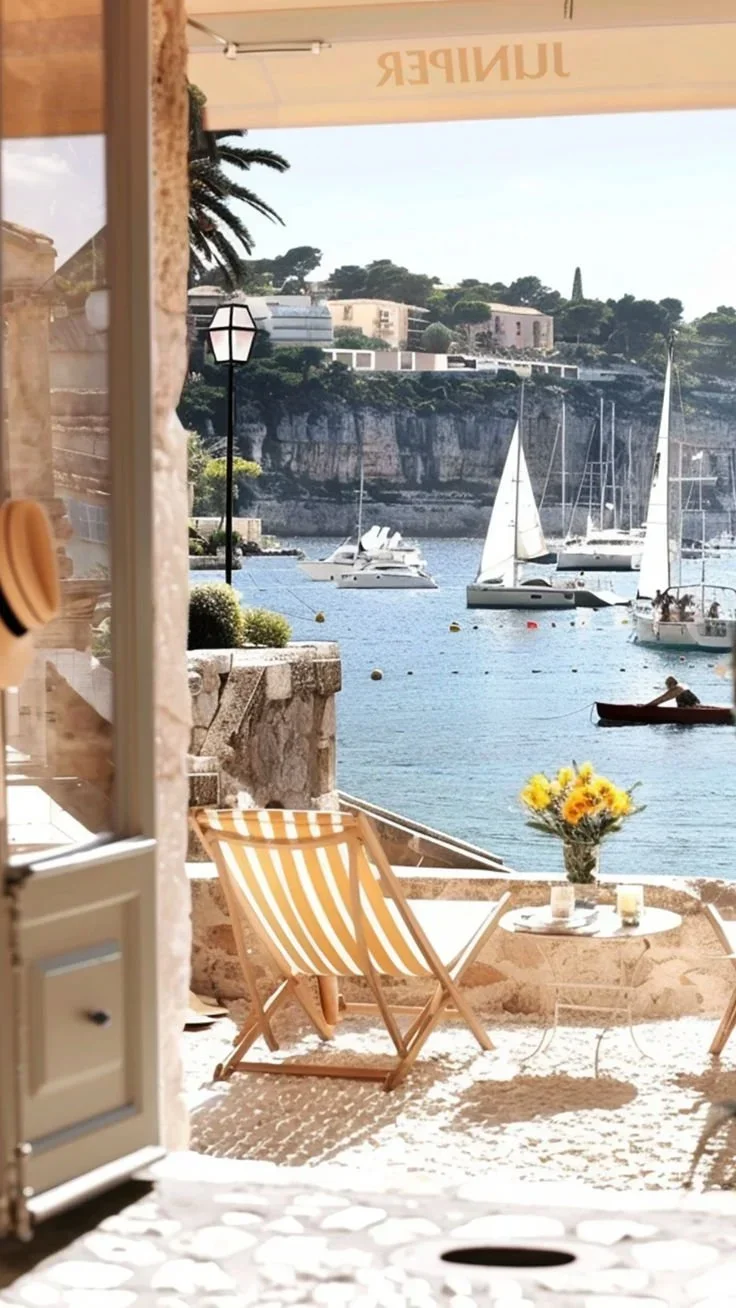
Somewhere along the way, luxury travel started asking a different question. Not just: is this beautiful? But: what does this cost the place that makes it beautiful?
That second question is reshaping how the most thoughtful travelers move through the world. Not by trading down, not by giving up the terrace or the locally woven linens or the wine at sunset, but by choosing those things with more intention, from operators who understand that indulgence and responsibility are not opposites.
The clearest test of whether a luxury operator is serious or just well-branded is the one that's hardest to fake: does the destination you visited actually benefit from the fact that you were there? Not survive it. Benefit from it.
What It Looks Like on the Ground
The best sustainable luxury operators share a consistent approach: the infrastructure of the stay actively protects what makes the destination worth visiting. Renewable energy, water reuse, low-impact transport. These aren't gestures. They're the baseline.
Beyond the physical footprint, there's the question of where the money goes. Boutique hotels owned and staffed locally rather than outposts of global chains. Meals sourced from farmers the chef knows by name. Guides who grew up in the region. The difference between a stay that extracts value from a community and one that returns it is usually visible before you even check in — in the ownership structure, the hiring practices, and whether the property can name the people and projects it supports.
"The most ambitious version of this goes further still. Not sustainability, which maintains, but regeneration, which repairs."
Lodges that plant trees and restore ecosystems. Properties where your presence is a net positive for the landscape rather than a net cost. It's a high bar, and the operators who clear it are worth seeking out.
Destinations That Are Getting This Right
A few places have made sustainable luxury not a positioning choice but a founding principle, and the difference is felt the moment you arrive.
Costa Rica has sustainability woven into its national identity. The lodge is solar-powered, the turtle conservation is led by expert guides, the wellness experience draws from the cloud forest rather than importing a generic spa concept. The indulgence comes with a conscience already built in. Bhutan protects high-value, low-impact tourism by government policy: monastery lodges, Himalayan treks with local guides, a culture that has chosen, deliberately, to remain itself.
Rwanda represents one of wildlife preservation's great modern triumphs, with luxury properties at the forest's edge and gorilla tracking that directly funds the animals' survival. Closer to Europe, Iceland has managed something rare: a tourism infrastructure and a natural environment that genuinely support each other, where the geothermal wellness and the volcanic landscape feel as remote and untouched as they look in photographs, because the infrastructure is designed not to compete with the scenery.
Destinations That Are Getting This Right
The language of sustainability has been so thoroughly co-opted by marketing that the words themselves have stopped meaning much. What matters is what's behind them.
Certifications with independent verification — B Corp, LEED, Rainforest Alliance, GSTC — are a meaningful starting point. But the more useful filter is specificity. Ask how the property manages energy and water use. Ask what percentage of staff is local and at what levels. Ask which community or conservation projects a stay directly supports, and how. The operators who can answer these questions clearly are almost always the ones worth booking. The ones who respond with adjectives are not.
The red flags are equally telling. Sustainability language that's heavy on feeling and light on evidence. Properties that dominate or visually disrupt their natural setting. Cultural experiences that feel like theater rather than genuine engagement. These aren't minor inconsistencies. They're the difference between travel that restores and travel that simply takes.
MY HONEST TAKE
Sustainable luxury isn't a category of trip. It's a standard you hold operators to.
You don't have to give up beauty or comfort. You just have to ask more of the people delivering it. Where does the money go? Who benefits? What's left behind when you leave? Those questions don't complicate travel. They improve it. The places that can answer them honestly are almost always the ones worth going to.
The Psychology of Beautiful Spaces: Why Aesthetic Matters in Travel
The Case for Conscious Luxury
EB
Eva Baczynska
June 20, 2025 • 8 min read
READ NEXT